別府・鉄輪の湯けむり
Oita
Hundred Scenes of Japan
Scene No.10 — Oita

Steaming Alleys
of Kannawa, Beppu

Steam rises from the gutters of an entire neighborhood. It rises from vents in garden walls, from a hundred springs under a hundred kitchens — a town plumbed directly into the planet. It is also the easiest step beyond the Golden Route on this list: one express train from Fukuoka, then a short city bus.

Access Lv.2 Budget ~¥30–55k from Fukuoka Best: Dec – Feb (thickest steam) Light-up: weekends only Onsen · Hells · Toji
Published Aug 12, 2026 · Updated Aug 13, 2026
Photo by Samuel Berner on Unsplash, taken in Beppu itself
02 — The Story

A town that breathes

Beppu produces more hot-spring water than anywhere in Japan, and Kannawa is where the production is least polite: the district sits on ground too hot for ordinary plumbing, so for centuries people simply built their lives around the steam. They cook with it: jigoku-mushi, hell-steaming, vegetables and eggs lowered into the earth's own pressure cooker. They cure with it: the old toji boarding houses, where farmers once wintered for weeks of therapeutic soaking, still rent rooms with kitchens and a house steam-pot.

The "hells" (jigoku) are the springs too violent to bathe in, kept as paid spectacles for generations. The sea hell is cobalt blue at 98 degrees; the blood pond is red with dissolved iron, and the old names don't soften any of it. Most scenes on this list take some effort to reach. Kannawa takes one train and a city bus, and you can navigate the last stretch by the smell of sulfur and steamed pudding. Hence the Lv.2 rating, the easiest we've given any scene here.
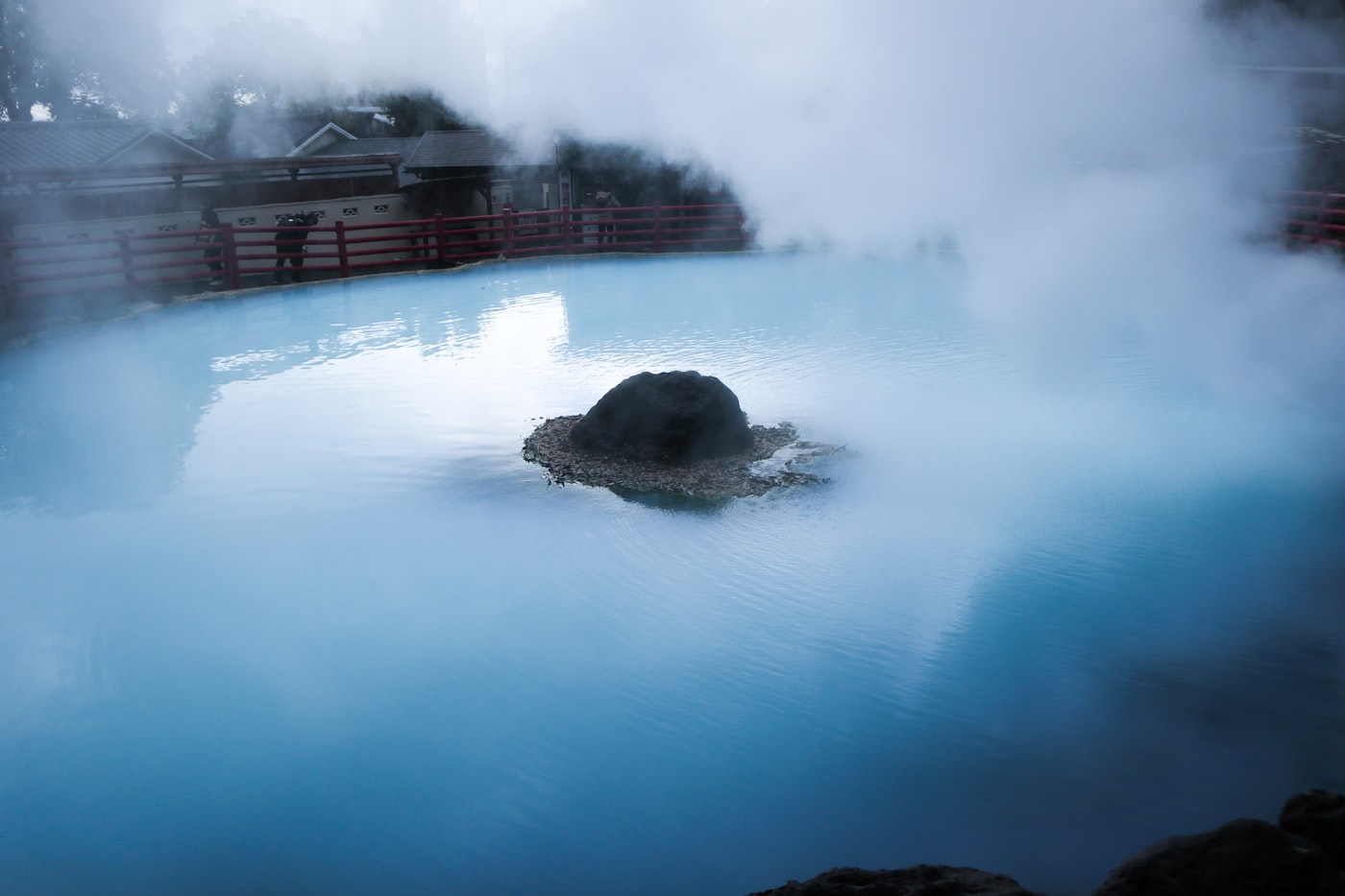
Kamado Jigoku hell spring steaming in Beppu
Kamado Jigoku, "the cooking-pot hell," which is also a literal description. Photo by Momo Kim on Unsplash
03 — When to Go

Cold air makes the town visible

Kannawa works all year, but the steam shows up far better in cold air. On a December evening the whole hillside is wrapped in it, and the air smells of eggs and caramel.

Jan
Feb
Mar
Apr
May
Jun
Jul
Aug
Sep
Oct
Nov
Dec

◎ winter: maximum steam ○ pleasant any time △ high summer: soaking in 42° water at 34° air temperature is a acquired taste.

The Peak Moment

The yukemuri viewpoint on a cold Saturday night, 19:30, lights on below: a hundred lit columns of steam rising out of the dark town.

The Kannawa Menu
Hell circuit passall 7 hells, valid 2 days (single hell ¥500)¥2,400
Hell-steaming workshoprent a steam pot, cook your lunch · no reservations; expect a queue at noonfrom ~¥400 + food
Public bathsNetsu-no-yu free · Suji-yu & Shibu-no-yu, coin in the box¥0–100
Steam light-upthe viewpoint, illuminated · weekends & holidays only19:00–21:00

Checked August 2026. Note the light-up is not nightly, so plan the Saturday.

04 — Getting There

The easiest journey on this entire list

Lv.2
One named train, one city bus. We rate it Lv.2 only because the last leg is a bus and the best bath is an unmarked neighborhood doorway.
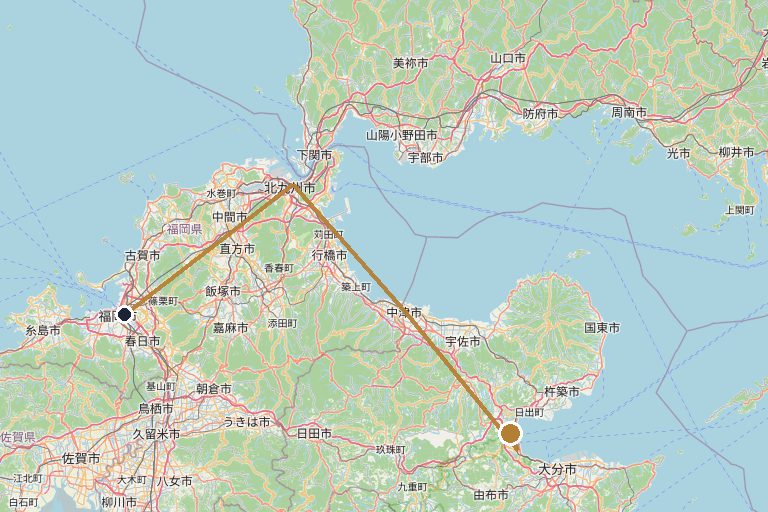
Hakata Station, Fukuoka
Limited Express “Sonic” · ~2 h · ¥6,380, or ¥2,550 booked online 3 days ahead
the tilting blue train along the Seto coast · covered by JR Pass
Beppu Station west exit for the Kannawa buses
Kamenoi bus · 16–27 min · ¥390
several an hour; no need to plan around a timetable
Kannawa follow the steam uphill
Other starts: direct highway bus from Fukuoka Airport (~2 h 45 m, ~¥2,500–3,250, 10/day, reserved). Land at noon, be in the steam by three. From Tokyo, fly to Oita and bus in (~40 min).
Trip Receipt per person · from Fukuoka · 1 night
Sonic, round trip (online advance)¥5,100–12,760
City buses~¥1,200
Hell circuit pass¥2,400
Hell-steamed lunch + baths~¥2,200
Getting there & through the hells~¥11,000–18,500
Inn · 1 night (toji room to fine ryokan)¥6,000–35,000
Dinner & small change~¥3,000
The whole scene~¥20,000–56,000

This is the Budget badge itemized: the cheapest full scene on the list, especially with the ¥2,550 advance train fare. Checked August 2026.

Map of the route from Fukuoka to Kannawa, Beppu Fukuoka Kannawa, Beppu Map © OpenStreetMap contributors · tap to open the route in Google Maps
JR Pass

Covered. The Sonic is a flagship pass ride. Without a pass, the online advance fares (3 days out) cut the train cost by 60%.

Car

Pointless. Buses run constantly, and the alleys are best covered on foot anyway.

Geography

Beppu Station = city, arcades, Takegawara's sand baths. Kannawa = steam, hells, toji culture, 20 minutes uphill. Sleep in Kannawa; visit the city.

Cash

¥100 coins are infrastructure here: bath boxes, steam pots, lockers. The hells take cards unevenly; carry paper backup.

The Honest Part

Two managed expectations: the famous Blood Pond hell sits 2 km from the others (a short bus hop; the pass covers it, so you can decide on the day), and the steam light-up runs weekends and holidays only; arrive on a Tuesday and the night view is steam by streetlight, which is still good but not the poster shot. Also: the steaming workshop takes no bookings, and the noon queue can hit two hours. Eating at 10:30 or 14:30 avoids it entirely.

05 — Where to Stay

From ¥6,000 toji rooms to hells with a garden

Disclosure: some booking links below may earn us a commission at no extra cost to you. Inns are chosen on merit, never for commission. When the best stay only takes phone bookings, we say so.

Price guide: toji boarding houses from ~¥6,000 room-only · $$ ~¥12,000 with meals · $$$ ¥25,000+.

Yōkōsō

$
Kaima toji inn · self-catering · 27 steam pots

The real thing: a boarding house running since the early Shōwa years, where you rent a simple room, buy vegetables, and cook them in the house's hell-steam kitchen alongside long-stay regulars. At around ¥6,000 it is also the cheapest stay on this page.

English: minimal (the real thing takes a phone call)From ~¥6,000

Oniyama Hotel

$$
Kannawa center · big baths · next to the hells

One minute from the hell circuit, generous baths, and the easy international booking the toji houses can't offer. The sensible default for a first Kannawa night.

English: OKMost available of the three

Kannawaen

$$$
Hillside ryokan · gardens fed by its own spring

The splurge: a garden ryokan where the milky-blue pond steams ornamentally and dinner arrives in courses. The garden is striking enough that non-guests pay to walk it.

English: basicGarden non-guests pay to see
06 — The Next Morning

Bathe like a regular before breakfast

Kannawa's mornings belong to the neighborhood: drop your coin in Suji-yu's box before eight and share the hot water with people who've soaked here daily for fifty years and will correct your rinsing technique kindly. Steam your breakfast eggs, then walk the lanes while the steam is thickest in the cold morning air.

Round out the day down the hill: Takegawara Onsen's 19th-century hall and its volcanic sand burial near the station, or the two outlying hells you saved. Then the Sonic home: a window seat on the sea side, and the faint smell of sulfur in your sweater for two more days. It's a feature.

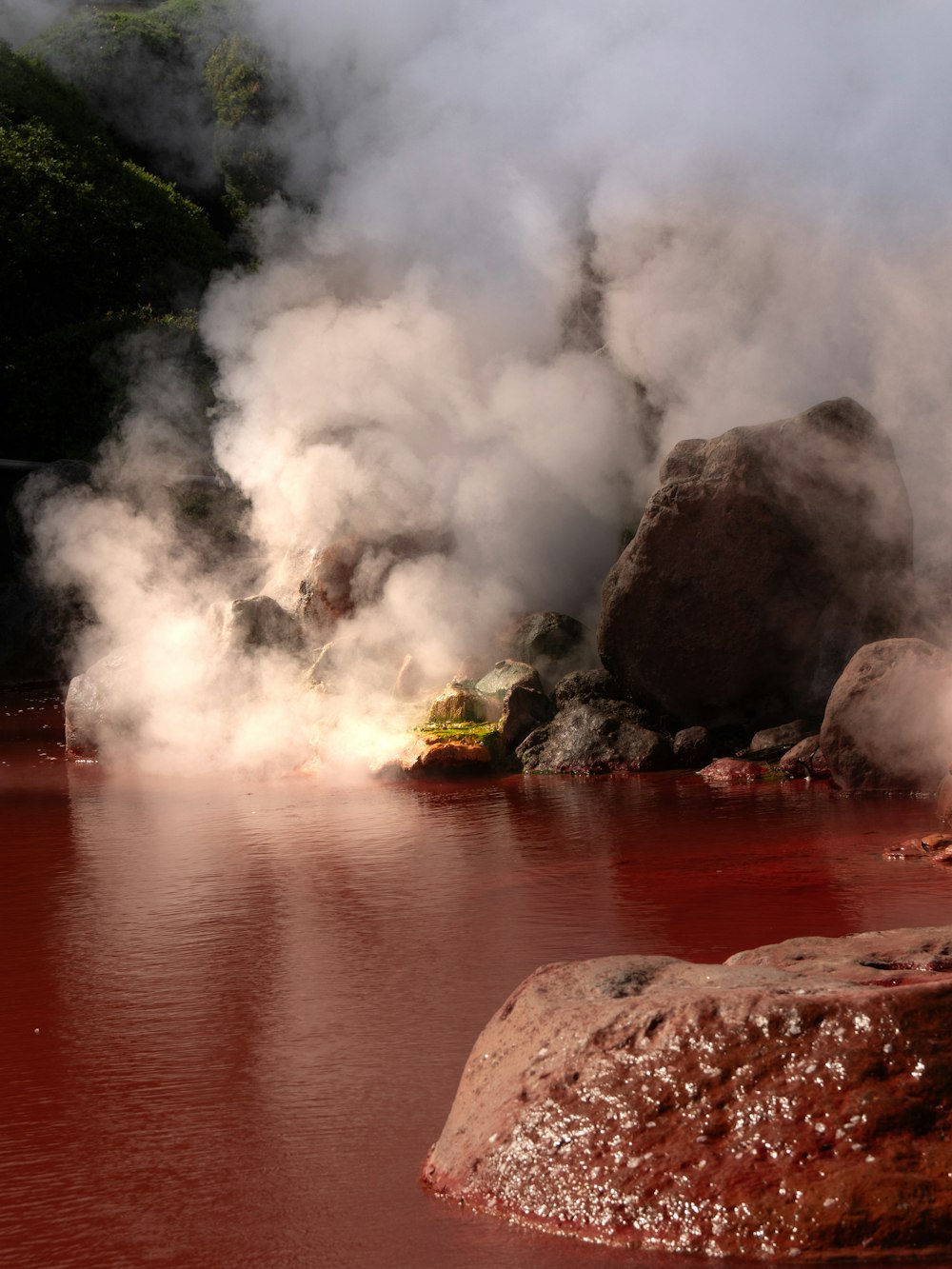
Steaming red hot spring water at the hells of Beppu
The red hell at Kannawa: iron oxide, 78°C, zero swimming. Photo by Marco Vockner on Unsplash
07 — Commissioned Review

One writer, one visit, no scripts

Disclosure: This review was commissioned by SPECTRIP, the publisher of HYAKKEI. The writer traveled independently (their visit date is shown below) and was paid for their writing, not their opinion.
VerdictOne line. Did the scene earn its number? Answered after the visit.
The momentThe specific minute it moved them, and what the light was doing when it did.
Who shouldn't comeThe honest anti-recommendation. Every scene has one.
Expert Panel Score3 travel writers who have stayed here · recruiting now
Impact★★★★★
Onlyness★★★★★
Worth the Journey★★★★★
Stay & Food★★★★★
Return Intent★★★★★

Average of 3 writers with published travel work, each of whom has spent a night here. Panelists are paid for their judgment, never for a number.

08 — Make It a Trip

Where to go from the hells

The Kyushu Ladder

Kannawa → Yufuin → Kurokawa

The onsen aristocracy lines up conveniently westward: Yufuin's boutique lanes an hour away, Kurokawa's lantern-lit rotenburo beyond. Start in Kannawa and the towns get more polished as you go.

Pairs with

Takachiho — Scene No.9

Four hours of buses across the island's volcanic spine connect the two: the night dances of the gods in Takachiho, the steam and hells here. They pair naturally into one Kyushu route.

09 — Good to Know

The questions you'd ask us over coffee

Are the hells actually worth it?

Four of them, absolutely: the cobalt sea hell, the cooking-pot cluster, the mud bubbles, the blood pond. The ¥2,400 pass covers all seven across two days, so see the big four, then let curiosity or bus timing decide the rest. Contrarian tip: the hells at opening time (8:00) sit misty and nearly empty, and for a few minutes they are sublime.

What exactly is a toji stay?

Old-style therapeutic boarding: a plain private room, shared steam-kitchen and baths, priced for weeks rather than nights (from ~¥6,000). You shop at the grocer and steam your dinner in the house pots. Between meals you soak, on repeat. Comfort is basic, but no other kind of stay puts you deeper into the neighborhood's daily routine. And yes, booking usually means a phone call or a very simple email.

When's the steam at its best?

Cold mornings and cold nights; winter multiplies the columns. For the lit-up version from the viewpoint, remember the schedule: weekends and holidays only, 19:00–21:00. Build your one night around a Saturday if the night photo matters to you.

Beppu Station area or Kannawa?

Sleep in Kannawa. The steam, hells and toji houses are all footsteps apart, and the neighborhood empties beautifully at night. Use the station district as a day trip downhill: Takegawara's sand bath, arcades, izakaya. Doing it the other way around wastes the town's best hours on a bus.

10 — Traveler Voices

Been here? Tell the next traveler what the guidebooks won't.

Share your story (coming soon)